%2Ffit-in%2F250x250%2Fguide_websites%2F15161%2Fimages%2F17862130311085b990239-75f7-4be6-ad3a-23d85272e6e0.png&w=1920&q=100)
/users/5acb1856-2541-4358-b0d9-a5c150b998fd/ratecard/91b05277cf166d398ce6ab44a6a0214c-mskov6er.webp)
%2F300x300%2Fusers%2F5acb1856-2541-4358-b0d9-a5c150b998fd%2Fratecard%2F91b05277cf166d398ce6ab44a6a0214c-mskov6er.webp&w=256&q=75)
%2F300x300%2Fusers%2F5acb1856-2541-4358-b0d9-a5c150b998fd%2Fimages%2Fkayaking-north-river-ny-waters-2410.jpg&w=256&q=75)
%2F300x300%2Fusers%2F5acb1856-2541-4358-b0d9-a5c150b998fd%2Fimages%2Fnorth-river-lake-trout-catch-2301.png&w=256&q=75)
%2F300x300%2Fusers%2F5acb1856-2541-4358-b0d9-a5c150b998fd%2Fimages%2Fnorth-river-ny-fishing-catch-2338.png&w=256&q=75)
%2F300x300%2Fusers%2F5acb1856-2541-4358-b0d9-a5c150b998fd%2Fimages%2Flake-trout-north-river-catch-2395.png&w=256&q=75)
%2F300x300%2Fusers%2F5acb1856-2541-4358-b0d9-a5c150b998fd%2Fimages%2Fnorth-river-brook-trout-catch-2346.png&w=256&q=75)
%2F300x300%2Fusers%2F5acb1856-2541-4358-b0d9-a5c150b998fd%2Fimages%2Fbrook-trout-north-river-catch-2403.png&w=256&q=75)
%2F300x300%2Fusers%2F5acb1856-2541-4358-b0d9-a5c150b998fd%2Fimages%2Fnorth-river-trout-catch-2360.png&w=256&q=75)
%2F300x300%2Fusers%2F5acb1856-2541-4358-b0d9-a5c150b998fd%2Fimages%2Fnorth-river-bass-fishing-canoe-2367.png&w=256&q=75)
%2F300x300%2Fusers%2F5acb1856-2541-4358-b0d9-a5c150b998fd%2Fimages%2Fnorth-river-northern-pike-2509.png&w=256&q=75)
%2F300x300%2Fusers%2F5acb1856-2541-4358-b0d9-a5c150b998fd%2Fimages%2Fnorth-river-brown-trout-catch-2364.png&w=256&q=75)
Full-Day Adirondack Kayak Fishing Adventure
 Adirondacks, NY, United States
What you will be catching:
 Brown Trout
 Crappie
 Muskellunge
 Rainbow Trout
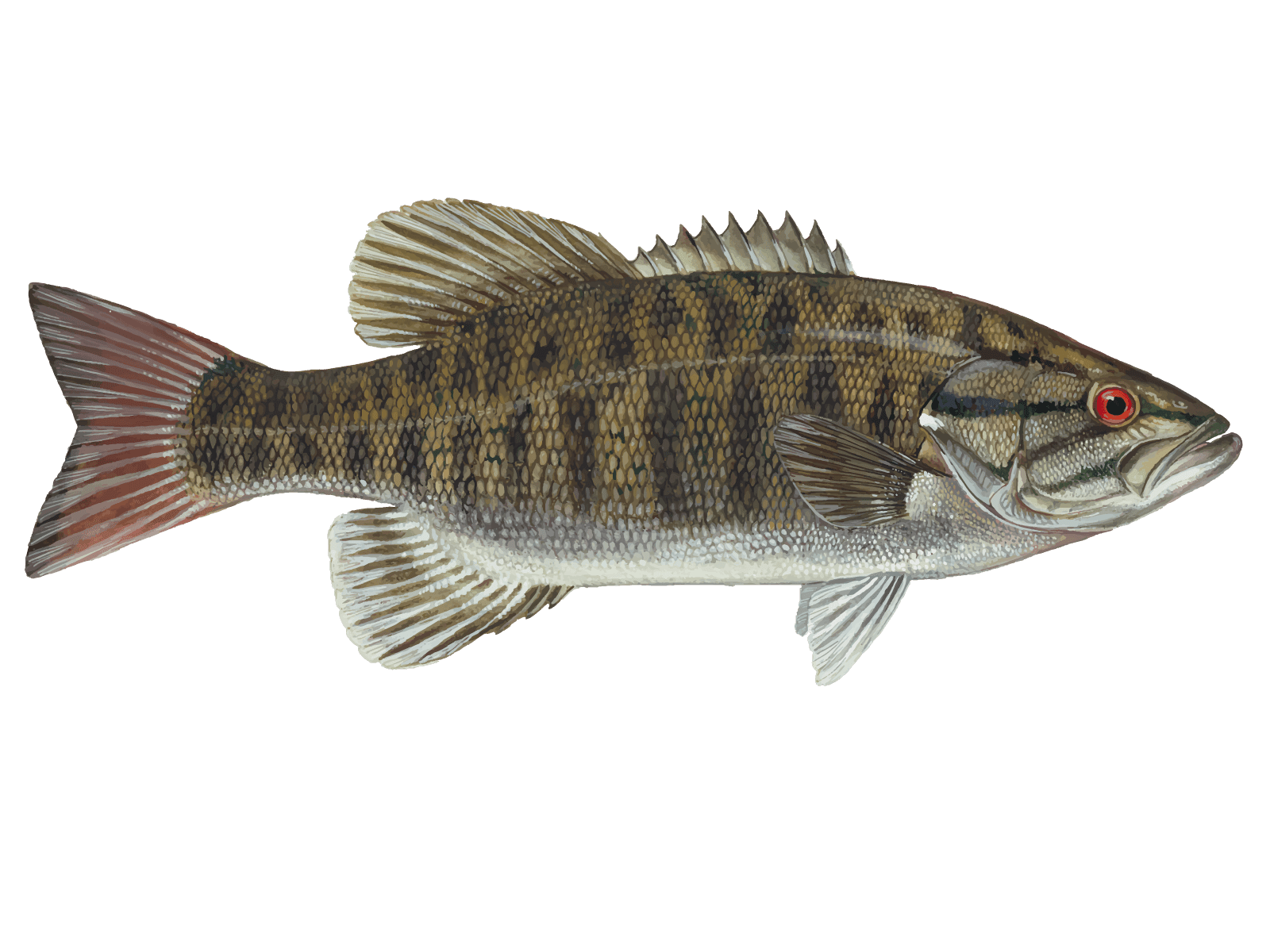
 Smallmouth Bass
- Full-day guided kayak fishing expedition in Adirondack waters
- Target trout, bass, and pike across multiple fishing locations
- Explore remote mountain lakes with pristine wilderness scenery
Trip Pricing and Availabilities:
Full-Day Adirondack Kayak Fishing Adventure
Picture yourself gliding across pristine mountain waters, rod in hand, with nothing but bird calls and gentle paddle strokes breaking the silence. This isn't your typical crowded boat ramp experience – it's an 8-hour journey into the heart of the Adirondacks where the fishing is as good as the scenery. You'll cover more water than most anglers see in a week, hitting remote ponds and productive back bays that only a kayak can reach. Whether you're chasing your personal best or just need a solid day away from everything, this top-rated adventure delivers both fish and peace of mind.
What to Expect on the Water
Your day starts early, meeting your guide who knows these waters like the back of their hand. We're talking about someone who's been reading these lakes for years – they know where the drop-offs hold walleye, which weed beds bass love, and when the trout start feeding. You'll launch from a quiet access point, away from the weekend warriors and tournament crowds. The beauty of kayak fishing here is the mobility – when one spot goes quiet, we paddle to the next. You might start the morning working a shallow bay for bass, then move to deeper water for trout as the sun climbs higher. The Adirondack mountains create this perfect backdrop, but trust me, once you start hooking fish, you'll forget all about the scenery. This shared expedition means you're fishing alongside another angler, which often makes for great stories and friendly competition. Your guide handles the navigation and local intel while you focus on what you came for – putting fish in the net.
Kayak Fishing Techniques
Fishing from a kayak opens up techniques that boat anglers can't touch. We'll work shallow flats where bass and pike cruise, casting to structure and cover that's impossible to reach from a regular boat. You'll learn to anchor quietly in productive spots, using the kayak's low profile to avoid spooring fish in clear water. Depending on what we're targeting, we might troll streamers for trout along deep shorelines, or work jigs and soft plastics through submerged timber for bass and crappie. The guide provides all the tackle you need, but if you've got favorite rods or lures, bring them along. Most of the fishing involves casting and retrieving, though we'll adjust techniques based on what's working that day. The kayak's stability lets you fight fish properly without worrying about losing your balance – these aren't your old-school tippy boats. When you hook something good, the guide talks you through the fight and handles the net. Between spots, you'll pick up paddling tips and learn to read the water like a local.
Species You'll Want to Hook
Black Crappie are the bread and butter of Adirondack panfishing, and these waters grow them thick and chunky. Spring through early summer is prime time when they move shallow to spawn, often stacking up around fallen trees and dock pilings. What makes crappie so addictive is their schooling behavior – find one, and you've likely found dozens. They hit small jigs and minnows with surprising aggression for such a delicate-looking fish. The best part? They're fantastic eating, with sweet white meat that fries up perfectly. Your guide knows the seasonal patterns and can put you on schools that most anglers never find.
Smallmouth Bass in the Adirondacks are straight-up fighters that use every bit of cover and current to their advantage. These bronze-backed beauties average 12-16 inches, but the bigger ones push 18-20 inches and fight like fish twice their size. Peak action runs from late spring through early fall, when they're active in shallow rocky areas and around structure. What sets smallmouth apart is their aerial show – they'll jump, twist, and run harder than their largemouth cousins. They'll hit everything from topwater baits at dawn to deep-diving crankbaits during midday. Customer favorite technique here is working tube jigs along rocky drop-offs where these bass ambush crayfish and minnows.
Rainbow Trout bring that classic trout fishing magic to the trip, especially during cooler months when they're more active near the surface. These silver rockets typically run 14-18 inches in these waters, with occasional trophies pushing the 20-inch mark. Early morning and late afternoon are prime time, when they'll chase streamers and spinners with explosive strikes. What makes rainbow fishing special here is the clarity of Adirondack water – you can often see them following your lure before they commit. They prefer cooler, deeper water during summer but move shallow during spring and fall turnover periods. The fight is pure electricity – long runs and acrobatic jumps that test your drag and reflexes.
Brown Trout are the thinking angler's fish, requiring patience and finesse to fool consistently. These golden-sided beauties grow large in Adirondack waters, with fish over 20 inches not uncommon in the right spots. They're most active during low-light periods and can be incredibly selective about presentations. What makes browns so rewarding is their wariness – they've seen every lure in the box and survived by being smart. When you do connect, they fight deep and strong, using their weight and the current to test your tackle. Fall is world-class brown trout season here, when they become more aggressive and move into shallower water. Your guide knows the productive runs and timing that separate brown trout fishing from brown trout hoping.
Muskellunge represent the ultimate Adirondack trophy, earning their reputation as the fish of 10,000 casts. These apex predators can exceed 40 inches and provide the kind of memories that last a lifetime. Muskie fishing requires heavy tackle and larger baits – think bucktails, large spoons, and oversized soft plastics. What makes them so special isn't just their size, but their attitude. When a muskie decides to eat, it's a violent, aggressive strike
Learn more about the species
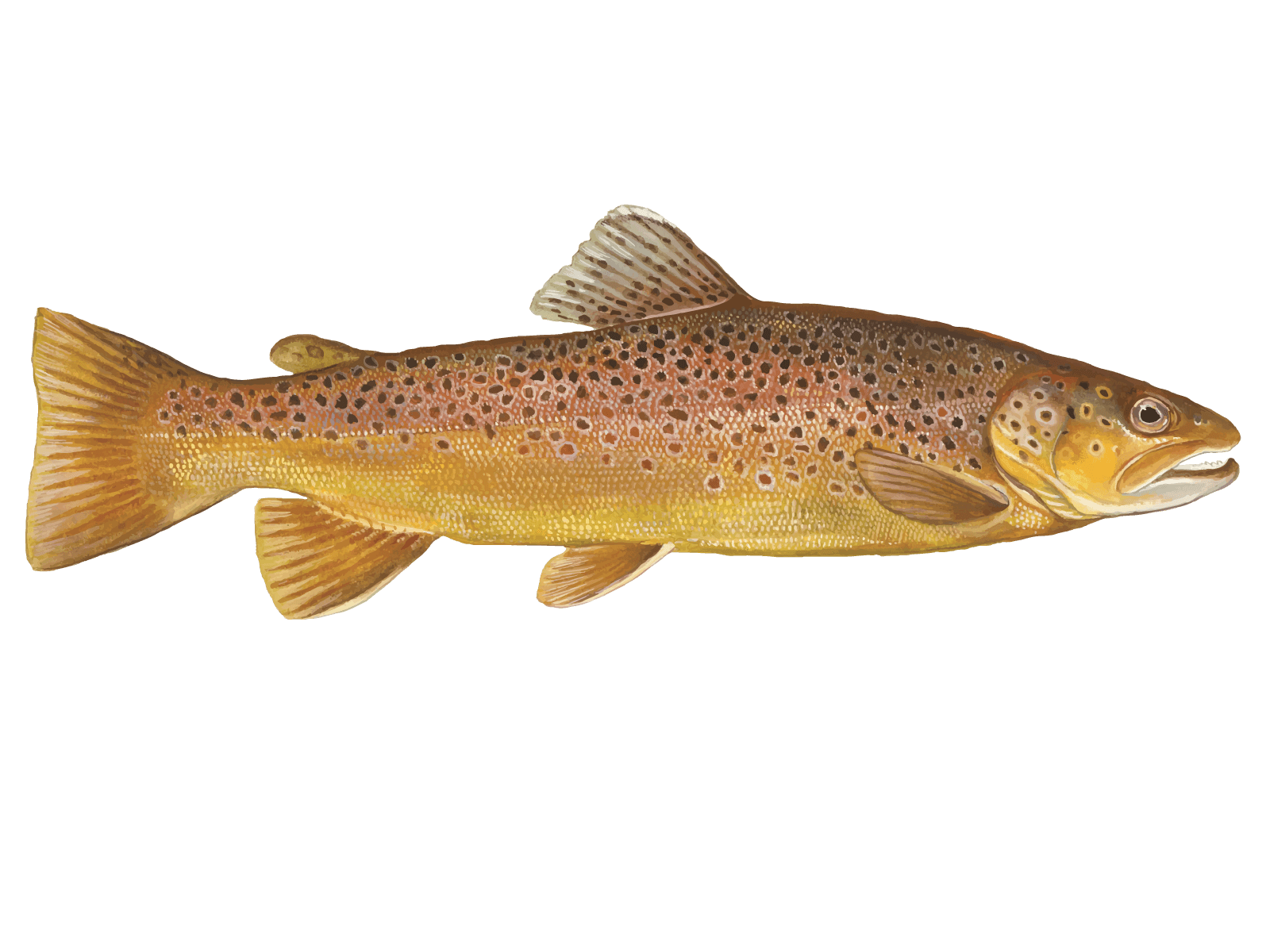
Brown Trout
Brown trout are the wariest and most challenging fish we chase in these mountains. These golden-brown beauties with black spots average 12-20 inches, though the Adirondacks hold some real trophies pushing 24+ inches and 4-6 pounds. They're masters of cover - look for them near fallen logs, undercut banks, and deeper pools with good current breaks. Fall is absolutely prime when they feed aggressively before winter, but early morning and evening fishing produces year-round. Browns are prized for their intelligence and fight - they'll test your drag and use every piece of structure to their advantage. The meat is excellent too, with a slightly richer flavor than other trout. Here's something most don't know: browns often feed heavily at night, so don't overlook that last hour of legal fishing time. Dark streamers worked slowly can produce when nothing else will.
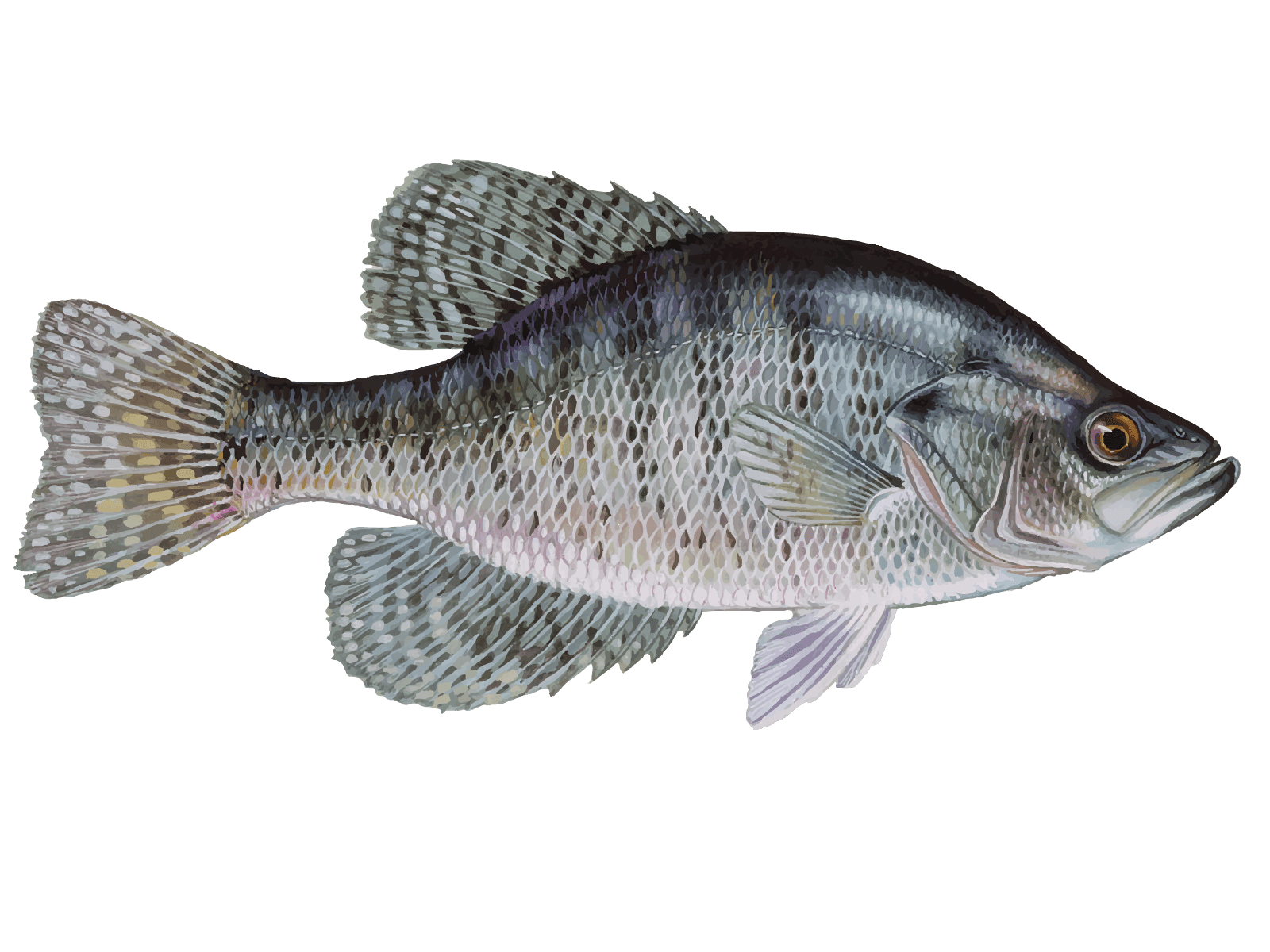
Crappie
Black crappie are some of the tastiest panfish you'll find in Adirondack waters. These speckled beauties typically run 8-12 inches and about a pound, traveling in schools around fallen trees, brush piles, and weed edges. Spring is prime time when water hits the mid-60s and they move shallow to spawn, but they'll bite year-round if you find their depth. What makes crappie special is their delicate white meat - perfect for a shore lunch. They're not huge fighters, but locating a school means steady action. Here's a local tip: in summer when they go deep, look for them suspended around 15-20 feet near drop-offs. Small jigs tipped with minnows or soft plastics work best, and patience pays off since they can be finicky biters.
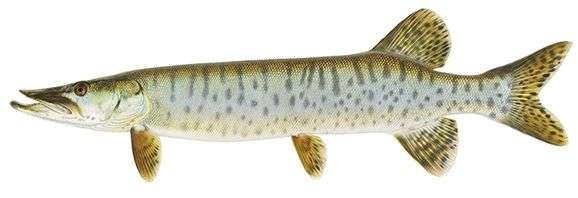
Muskellunge
Muskellunge are the ultimate apex predator and trophy fish in select Adirondack waters. These massive pike relatives can reach 3-5 feet and 20-40 pounds, with their tiger-striped pattern and razor teeth making them unmistakable. They lurk around weed edges, rocky points, and deeper structure, ambushing anything that moves. Fall is your best shot when water cools and they feed heavily before winter. What makes muskie fishing special is the trophy potential - they're called "the fish of 10,000 casts" for good reason. Every follow and strike gets your heart pounding. While not great eating, the experience of landing one is unforgettable. Key tip: always use heavy tackle and barbless hooks for safe releases. When you see a follow, don't panic - do a slow figure-8 at the boat. Many muskies will strike right at your feet when you least expect it.
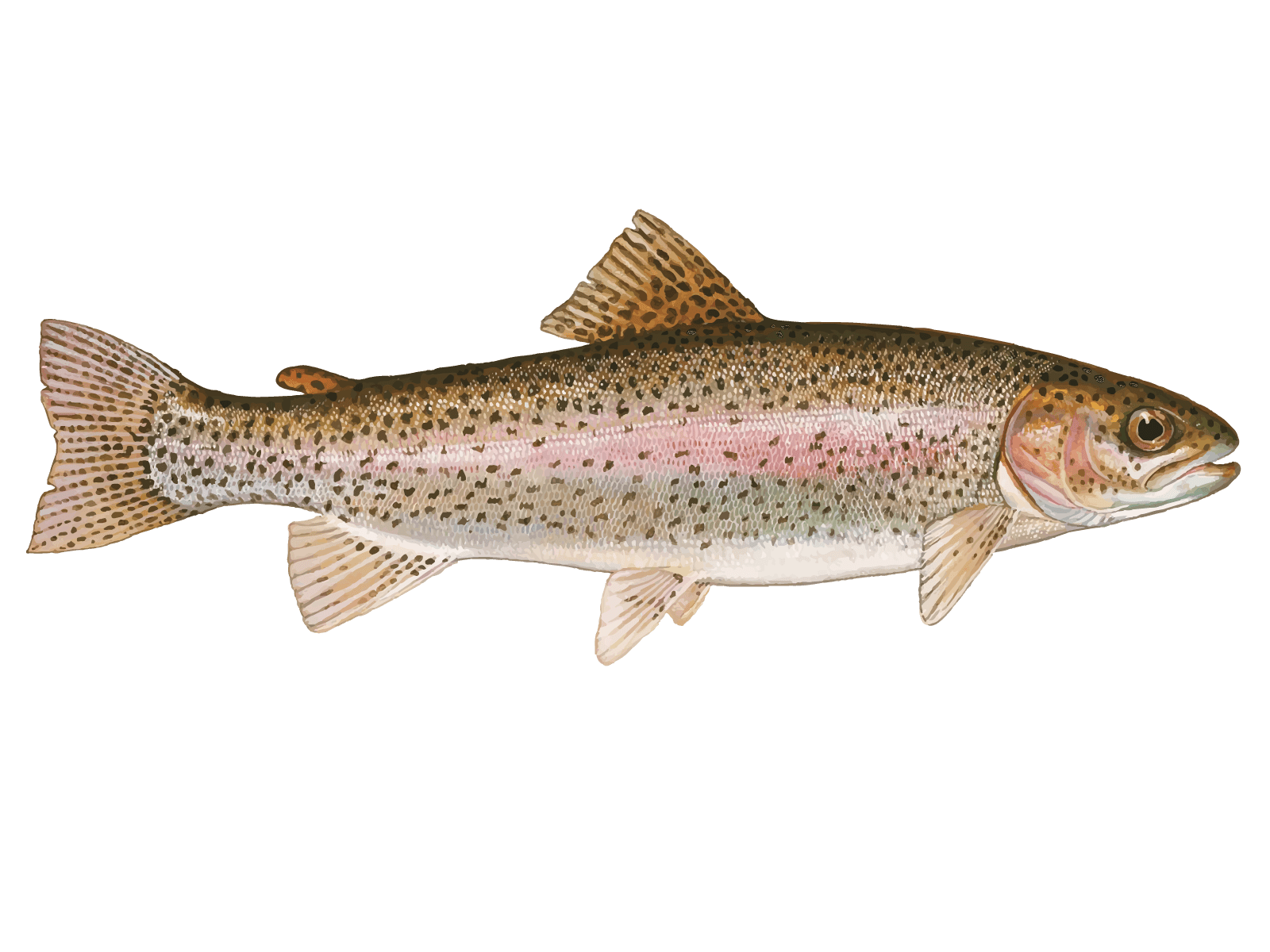
Rainbow Trout
Rainbow trout bring consistent action and beautiful fish to our Adirondack waters. These colorful natives typically measure 10-16 inches and weigh 1-3 pounds, with their signature pink stripe making them easy to identify. They prefer cooler, well-oxygenated water and often cruise near inlets, outlets, and drop-offs. Spring through early summer offers the best fishing when water temps stay in the 55-65°F range. What guests love about rainbows is their spirited fight - they'll make strong runs and occasional jumps. Plus, they're excellent eating with mild, flaky white meat. During summer heat, they'll go deeper, so adjust accordingly. Local trick: try drifting small spoons or spinners near creek mouths early morning or late evening. They're often feeding actively in these zones, especially after a light rain brings fresh water and insects.
Smallmouth Bass
Smallmouth bass are the scrappiest fighters pound-for-pound in these Adirondack lakes. These bronze-backed beauties average 12-16 inches and 2-3 pounds, with occasional larger fish pushing 4-5 pounds. They love rocky bottoms, boulder fields, and drop-offs where they can ambush crayfish and minnows. Spring and fall are peak times when they're active in shallower water, though summer fishing can be great if you target deeper structure. What draws people back is their aerial show - smallmouth will jump repeatedly when hooked, making every fight memorable. The meat is firm and tasty too. Pro tip: when the water's calm, try a weightless soft plastic worked slowly along rocky shorelines. They'll often follow it for several feet before striking, so don't give up on your retrieve too early.
About the Wenonah Canoe
%2F%2Fusers%2F5acb1856-2541-4358-b0d9-a5c150b998fd%2Fvehicle_picture%2F6d5a01bf-1580-4105-8f31-c1829a430161-mskmaaw4.png&w=1920&q=75)
Vehicle Guest Capacity: 6