%2Ffit-in%2F250x250%2Fguide_websites%2F15161%2Fimages%2F17862130311085b990239-75f7-4be6-ad3a-23d85272e6e0.png&w=1920&q=100)
/users/5acb1856-2541-4358-b0d9-a5c150b998fd/ratecard/screenshot2026-08-08123024-mskmf57s.png)
%2F300x300%2Fusers%2F5acb1856-2541-4358-b0d9-a5c150b998fd%2Fratecard%2Fscreenshot2026-08-08123024-mskmf57s.png&w=256&q=75)
%2F300x300%2Fusers%2F5acb1856-2541-4358-b0d9-a5c150b998fd%2Fimages%2Fkayaking-north-river-ny-waters-2410.jpg&w=256&q=75)
%2F300x300%2Fusers%2F5acb1856-2541-4358-b0d9-a5c150b998fd%2Fimages%2Fnorth-river-lake-trout-catch-2301.png&w=256&q=75)
%2F300x300%2Fusers%2F5acb1856-2541-4358-b0d9-a5c150b998fd%2Fimages%2Fnorth-river-ny-fishing-catch-2338.png&w=256&q=75)
%2F300x300%2Fusers%2F5acb1856-2541-4358-b0d9-a5c150b998fd%2Fimages%2Flake-trout-north-river-catch-2395.png&w=256&q=75)
%2F300x300%2Fusers%2F5acb1856-2541-4358-b0d9-a5c150b998fd%2Fimages%2Fnorth-river-brook-trout-catch-2346.png&w=256&q=75)
%2F300x300%2Fusers%2F5acb1856-2541-4358-b0d9-a5c150b998fd%2Fimages%2Fbrook-trout-north-river-catch-2403.png&w=256&q=75)
%2F300x300%2Fusers%2F5acb1856-2541-4358-b0d9-a5c150b998fd%2Fimages%2Fnorth-river-trout-catch-2360.png&w=256&q=75)
%2F300x300%2Fusers%2F5acb1856-2541-4358-b0d9-a5c150b998fd%2Fimages%2Fnorth-river-bass-fishing-canoe-2367.png&w=256&q=75)
%2F300x300%2Fusers%2F5acb1856-2541-4358-b0d9-a5c150b998fd%2Fimages%2Fnorth-river-northern-pike-2509.png&w=256&q=75)
%2F300x300%2Fusers%2F5acb1856-2541-4358-b0d9-a5c150b998fd%2Fimages%2Fnorth-river-brown-trout-catch-2364.png&w=256&q=75)
Paddle Into the Adirondacks' Hidden Fishing Waters
 Adirondacks, NY, United States
What you will be catching:
 Brown Trout
 Crappie
 Muskellunge
 Rainbow Trout
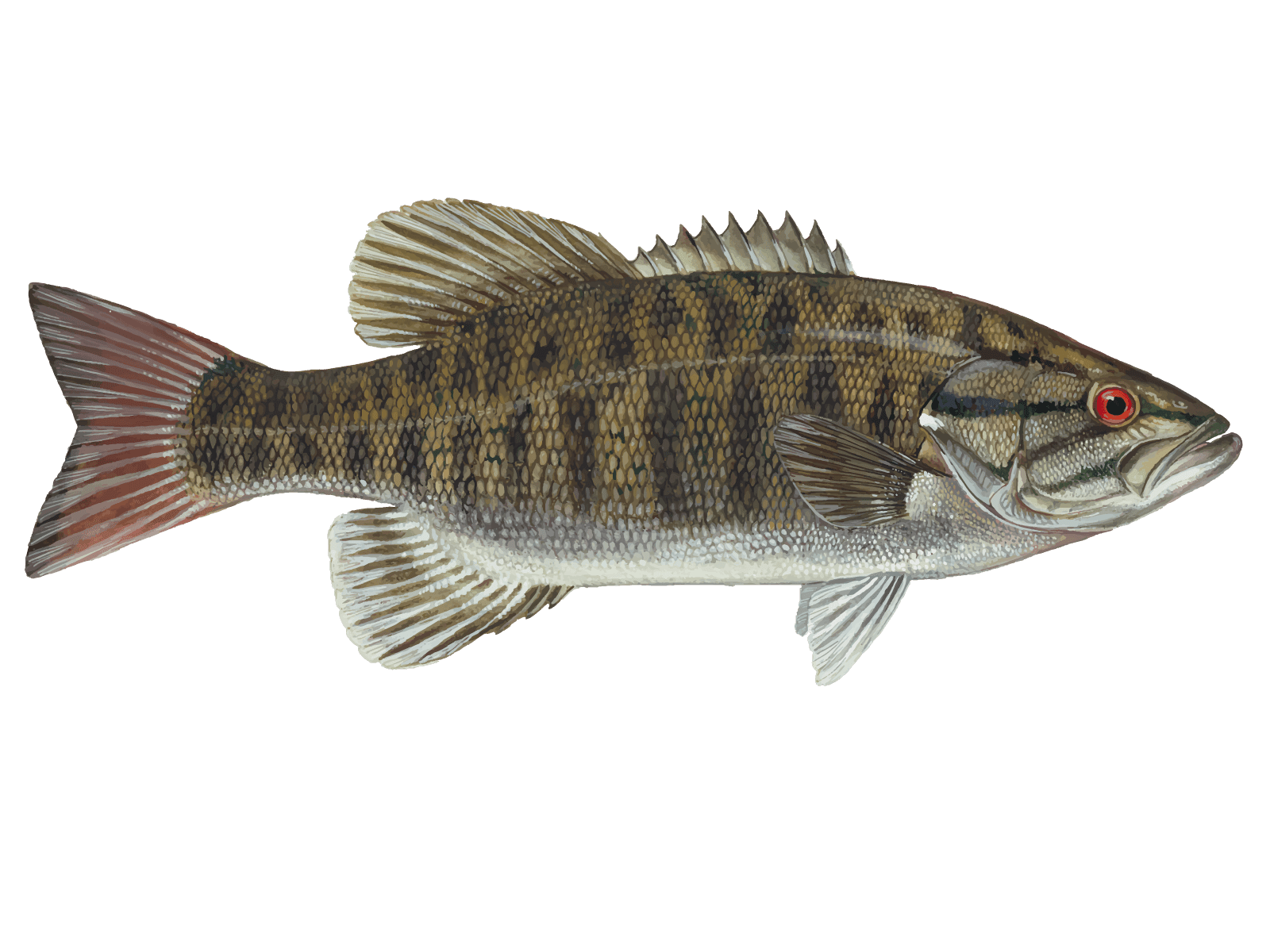
 Smallmouth Bass
- Private 5-hour kayak fishing adventure for small groups
- Remote Adirondack lake access targeting trout, bass, and pike
- Customizable backcountry experience adapted to all skill levels
Trip Pricing and Availabilities:
Paddle Into the Adirondacks' Hidden Fishing Waters
Looking for that perfect blend of paddling and casting in some of the most pristine waters New York has to offer? This top-rated 5-hour kayak fishing adventure takes you deep into the Adirondacks' backcountry, where the fish are hungry and the crowds are nowhere to be found. Your guide knows these waters like the back of their hand and will customize every aspect of the trip around your group's skill level, pace, and what's biting that day. With a maximum of just three anglers, you're guaranteed personalized attention and access to those secret spots that only locals know about. No cookie-cutter itinerary here – just pure, adaptive fishing based on conditions, season, and what gets your heart racing.
What to Expect on the Water
This isn't your typical shoreline fishing trip. You'll be sliding your kayak into some of the most remote lakes and ponds the Adirondacks have to offer, places where the water runs crystal clear and the fish haven't seen a lure in weeks. Your guide will match the destination to your group's energy level and fishing goals – maybe it's a peaceful morning working the weed edges of a secluded pond, or perhaps you're up for the challenge of navigating into a backcountry lake where the big ones hide. The beauty of kayak fishing is the mobility; you can work structure that boat anglers can't reach and access shallow bays that hold incredible numbers of fish. Every paddle stroke gets you closer to untouched water, and your guide will position you over the best spots while sharing local knowledge that only comes from years on these lakes. The Adirondack scenery is world-class, but what really sets this trip apart is how the fishing and paddling complement each other – you're not just casting from a stationary spot, you're actively hunting fish through some of the most beautiful water in the Northeast.
Techniques & Gear Breakdown
Kayak fishing in the Adirondacks requires a different approach than traditional boat angling, and your guide will walk you through the techniques that work best in these waters. You'll learn how to position your kayak for effective casting, manage your paddle while fighting fish, and work the varied structure these lakes offer – from rocky drop-offs and submerged logs to weed lines and shallow flats. The gear setup is crucial; your guide provides everything you need, including rods suited for kayak fishing that won't fatigue your arms during long casting sessions. Depending on the season and target species, you might be working soft plastics along the bottom for smallmouth, trolling streamer flies in deeper water for trout, or casting topwater lures during those magic hour sessions when the surface explodes with feeding fish. The Adirondack lakes have incredible diversity in terms of structure and depth, so you'll likely use several different techniques throughout the day. Your guide reads the water constantly, adjusting tactics based on weather, time of day, and fish behavior. The learning curve is part of the fun – by the end of the trip, you'll have a solid understanding of how to approach kayak fishing in these unique waters.
Target Species You'll Want to Hook
Crappie are one of the most rewarding species to target in these waters, especially during their spring and fall feeding periods. These silvery fighters typically run 8-12 inches in Adirondack lakes, but don't let their size fool you – they put up a scrappy fight and are some of the best eating fish in the region. Crappie love structure, so you'll find them around submerged trees, rocky points, and weed edges in 8-15 feet of water. What makes them exciting is their schooling behavior; find one and you've often found dozens. Your guide knows the seasonal patterns and can put you on active schools when they're feeding aggressively.
Smallmouth bass are the bread and butter of Adirondack kayak fishing, and these bronze fighters are legendary for their aggressive strikes and acrobatic fights. The rocky structure and clear water create perfect smallmouth habitat, with fish ranging from 12-18 inches being common catches. They're most active from late spring through early fall, and the best fishing often happens during overcast conditions or in low light. Smallies in these lakes are incredibly healthy and strong – they'll test your drag and give you multiple jumps before coming to the kayak. The visual aspect is amazing too; in the clear Adirondack water, you can often watch them follow your lure before striking.
Rainbow trout bring a completely different dimension to the fishing, especially in the deeper, colder lakes where they thrive year-round. These fish are typically found in 15-30 feet of water during summer months, though they'll move shallow during spring and fall turnover. Rainbows in the Adirondacks average 14-20 inches and are known for their powerful runs and aerial displays. The key is understanding the thermal layers and finding the cooler water they prefer. Your guide uses depth finders and temperature readings to locate the sweet spots where these fish suspend.
Brown trout are the trophy fish of many Adirondack lakes, with fish over 20 inches being caught regularly by anglers who know where to look. These wary predators are most active during dawn and dusk, making them perfect targets for extended fishing days. Browns are ambush predators that love deeper water adjacent to structure, and they'll absolutely hammer a well-presented lure. The fight is different from rainbows – more bulldogging and less jumping, but incredibly powerful. Catching a quality brown trout from a kayak in the backcountry is an experience that stays with you.
Muskellunge represent the apex predator in select Adirondack waters, and while they're not common, the possibility of hooking into a true giant adds excitement to every cast. These fish of 10,000 casts can reach 40+ inches in the right waters, and your guide knows which lakes hold populations. Muskie fishing requires heavy tackle and strong ner
Learn more about the animals
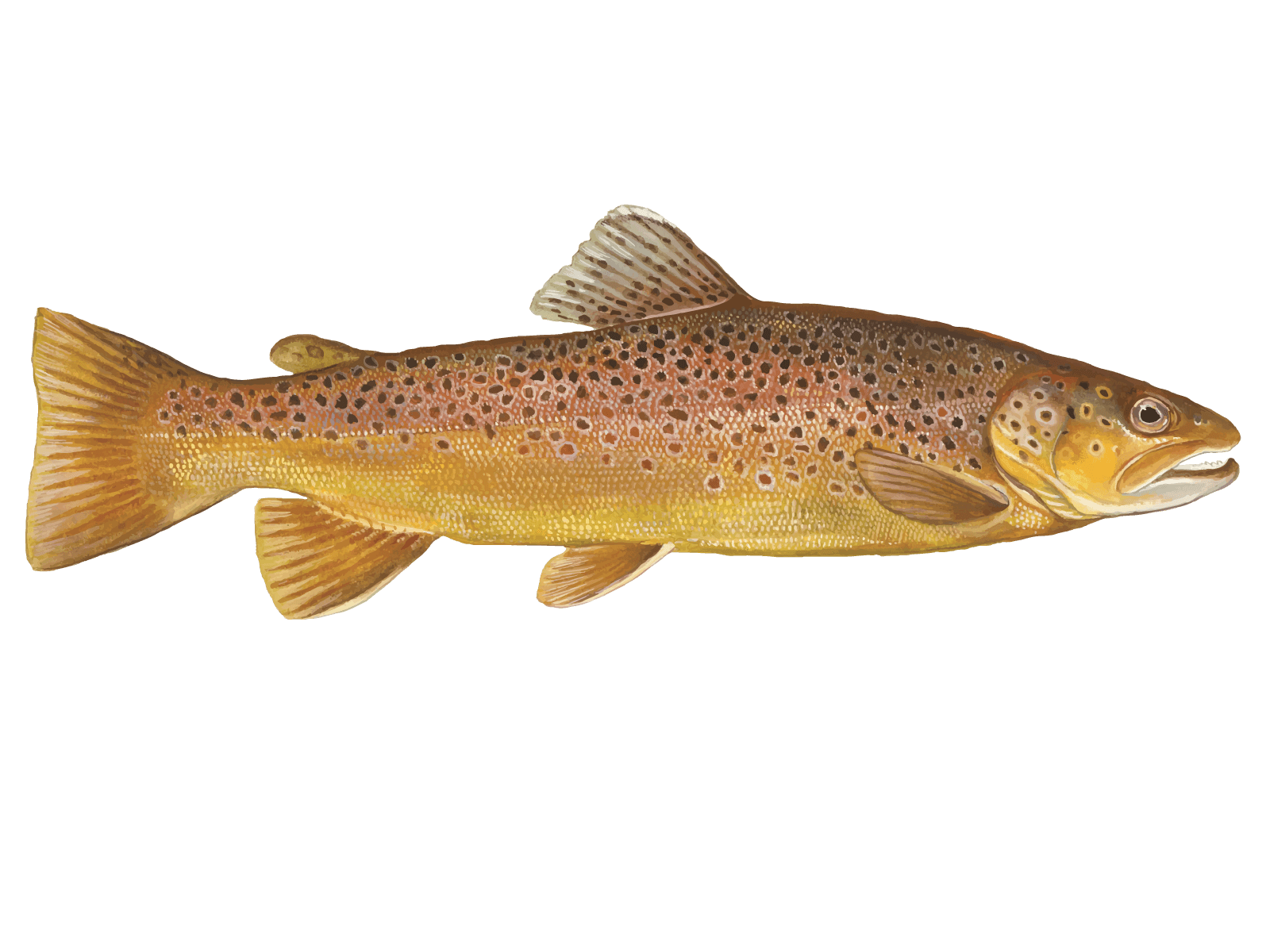
Brown Trout
Brown trout are the wary veterans of our waters - golden-brown beauties covered in dark spots that can live 15+ years if they're smart enough. Most run 12-20 inches, but these lakes hold some real trophies in the 5-8 pound range that have seen every lure in the book. They're homebodies, sticking to deep pools, undercut banks, and areas with good cover like fallen trees or rock ledges. Fall is prime time when they feed heavily before winter, though early morning and late evening can produce year-round. What makes them special is the challenge - they're educated fish that will test your skills. Plus they're fantastic eating with firm, flaky meat. They get spooky during the day, so here's a tip that works: fish at dusk with a woolly bugger or streamer worked slowly along deep structure. Brown trout love a big meal when they think nobody's watching.
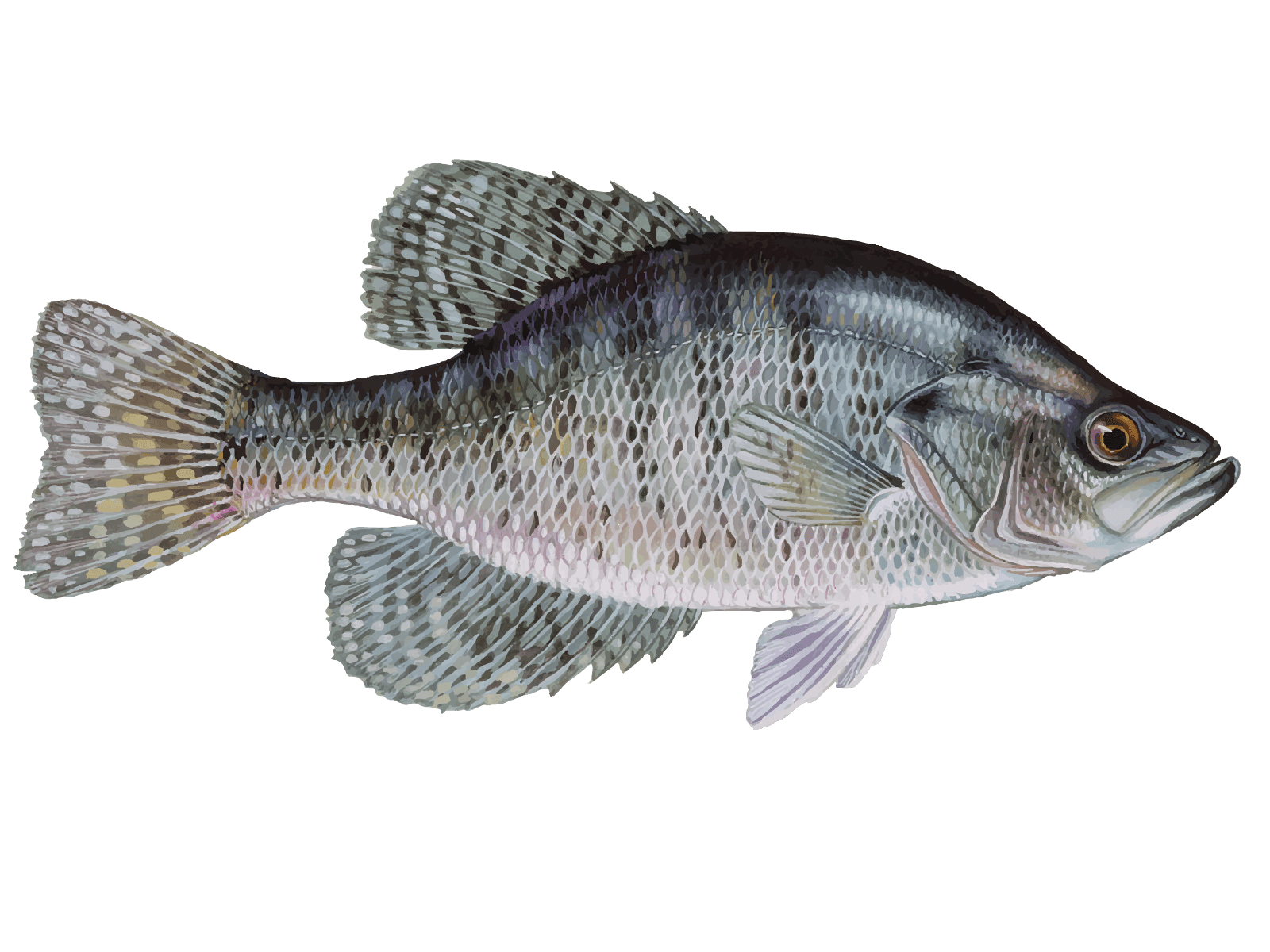
Crappie
Black crappie are some of the tastiest panfish you'll find in these Adirondack waters. They typically run 7-12 inches and about a pound, with that distinctive speckled pattern that earned them the nickname "specks." You'll find them around fallen timber, weed beds, and brush piles in our quieter bays and coves. They prefer clearer water than their white crappie cousins. Spring and fall are prime times when they school up and feed actively, especially at dawn and dusk. What guests love most is the steady action - when you find one, there's usually more nearby. They're also excellent table fare with sweet, flaky white meat. Here's a local tip: use a small jig tipped with a piece of worm and fish it slow around submerged structure. Crappie have paper-thin mouths, so keep steady pressure but don't horse them in.
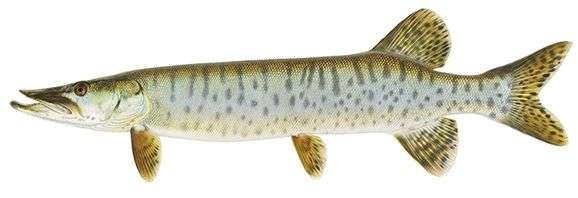
Muskellunge
Muskies are the apex predators of our bigger lakes - massive pike family members that can reach 4-5 feet and 30+ pounds in these waters. They're ambush hunters with tiger-like stripes and razor teeth, lurking around weed edges, rocky points, and drop-offs waiting to crush anything that looks like a meal. Fall is prime time when they feed heavily, but summer evenings can be productive too. What draws anglers is the trophy potential - these are fish of a lifetime that'll give you stories for years. They're catch-and-release here, so it's all about the experience and photos. Muskies are notorious for following lures without striking, so here's what I do: use large bucktails or jerkbaits and always do a figure-8 at the boat. Many follows turn into strikes right at your feet. Heavy tackle is a must - these fish will straighten hooks and snap lines if you're not prepared.
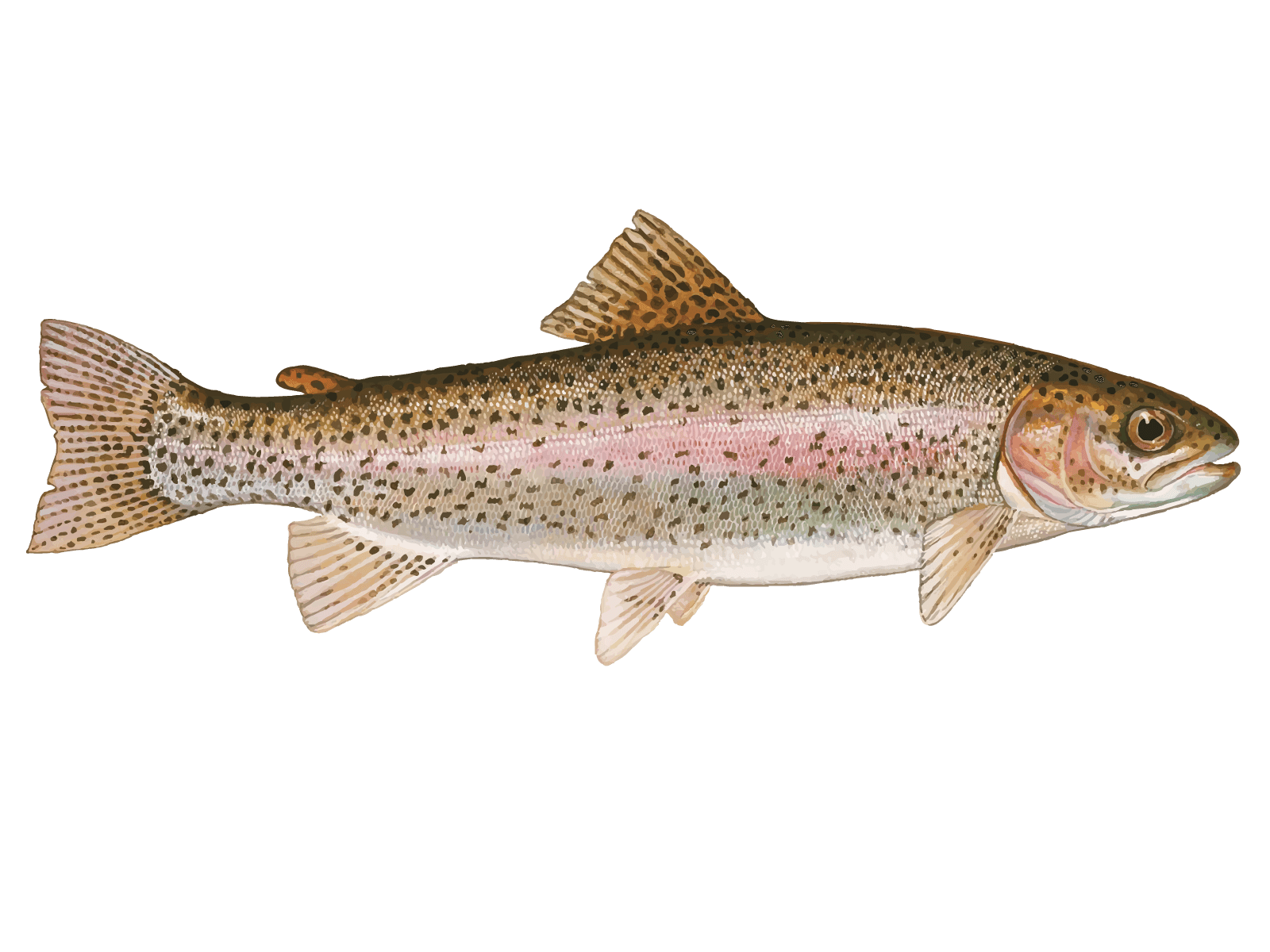
Rainbow Trout
Rainbow trout are beautiful fish with that signature pink stripe and spotted pattern that makes every catch feel special. Most of ours run 10-16 inches and 1-3 pounds, though the deeper lakes hold some bigger surprises. They prefer cold, clean water around 55-65 degrees, so we find them near spring holes, deeper pockets, and inlet streams. Spring and fall offer the best action when they're actively feeding, but early morning and evening can be productive year-round. What guests love is their acrobatic fight - they'll jump and run like crazy on light tackle. They're also excellent eating with that pink flesh and mild, nutty flavor. The key up here is matching the hatch - look for rising fish and use small dry flies or nymphs that mimic what's hatching. If you're not into fly fishing, small spinners work great too.
Smallmouth Bass
Smallmouth bass are the scrappiest fighters we have in these waters. Most run 12-16 inches, but the lakes can produce some real chunky 3-4 pounders that'll test your drag. They love rocky bottoms, fallen logs, and drop-offs where they can ambush prey like crayfish and minnows. You'll find them in 6-20 feet of water depending on the season - shallower in spring and fall, deeper during summer heat. Early morning and evening are your best bets, especially on calm days with a light breeze. What makes them special is that explosive fight - they'll jump, run, and give you everything they've got. Plus they're great eating with firm, mild flesh. Here's something that works well up here: try a tube jig in green pumpkin color worked slowly along rocky structure. Smallmouth can't resist that crayfish imitation.
About the Wenonah Canoe
%2F%2Fusers%2F5acb1856-2541-4358-b0d9-a5c150b998fd%2Fvehicle_picture%2F6d5a01bf-1580-4105-8f31-c1829a430161-mskmaaw4.png&w=1920&q=75)
Vehicle Guest Capacity: 6