%2Ffit-in%2F250x250%2Fguide_websites%2F15161%2Fimages%2F17862130311085b990239-75f7-4be6-ad3a-23d85272e6e0.png&w=1920&q=100)
/users/5acb1856-2541-4358-b0d9-a5c150b998fd/ratecard/screenshot2026-08-08123300-msko9ivd.png)
%2F300x300%2Fusers%2F5acb1856-2541-4358-b0d9-a5c150b998fd%2Fratecard%2Fscreenshot2026-08-08123300-msko9ivd.png&w=256&q=75)
%2F300x300%2Fusers%2F5acb1856-2541-4358-b0d9-a5c150b998fd%2Fimages%2Fkayaking-north-river-ny-waters-2410.jpg&w=256&q=75)
%2F300x300%2Fusers%2F5acb1856-2541-4358-b0d9-a5c150b998fd%2Fimages%2Fnorth-river-lake-trout-catch-2301.png&w=256&q=75)
%2F300x300%2Fusers%2F5acb1856-2541-4358-b0d9-a5c150b998fd%2Fimages%2Fnorth-river-ny-fishing-catch-2338.png&w=256&q=75)
%2F300x300%2Fusers%2F5acb1856-2541-4358-b0d9-a5c150b998fd%2Fimages%2Flake-trout-north-river-catch-2395.png&w=256&q=75)
%2F300x300%2Fusers%2F5acb1856-2541-4358-b0d9-a5c150b998fd%2Fimages%2Fnorth-river-brook-trout-catch-2346.png&w=256&q=75)
%2F300x300%2Fusers%2F5acb1856-2541-4358-b0d9-a5c150b998fd%2Fimages%2Fbrook-trout-north-river-catch-2403.png&w=256&q=75)
%2F300x300%2Fusers%2F5acb1856-2541-4358-b0d9-a5c150b998fd%2Fimages%2Fnorth-river-trout-catch-2360.png&w=256&q=75)
%2F300x300%2Fusers%2F5acb1856-2541-4358-b0d9-a5c150b998fd%2Fimages%2Fnorth-river-bass-fishing-canoe-2367.png&w=256&q=75)
%2F300x300%2Fusers%2F5acb1856-2541-4358-b0d9-a5c150b998fd%2Fimages%2Fnorth-river-northern-pike-2509.png&w=256&q=75)
%2F300x300%2Fusers%2F5acb1856-2541-4358-b0d9-a5c150b998fd%2Fimages%2Fnorth-river-brown-trout-catch-2364.png&w=256&q=75)
Paddle, Fish, and Explore the Adirondacks Together
 Adirondacks, NY, United States
What you will be catching:
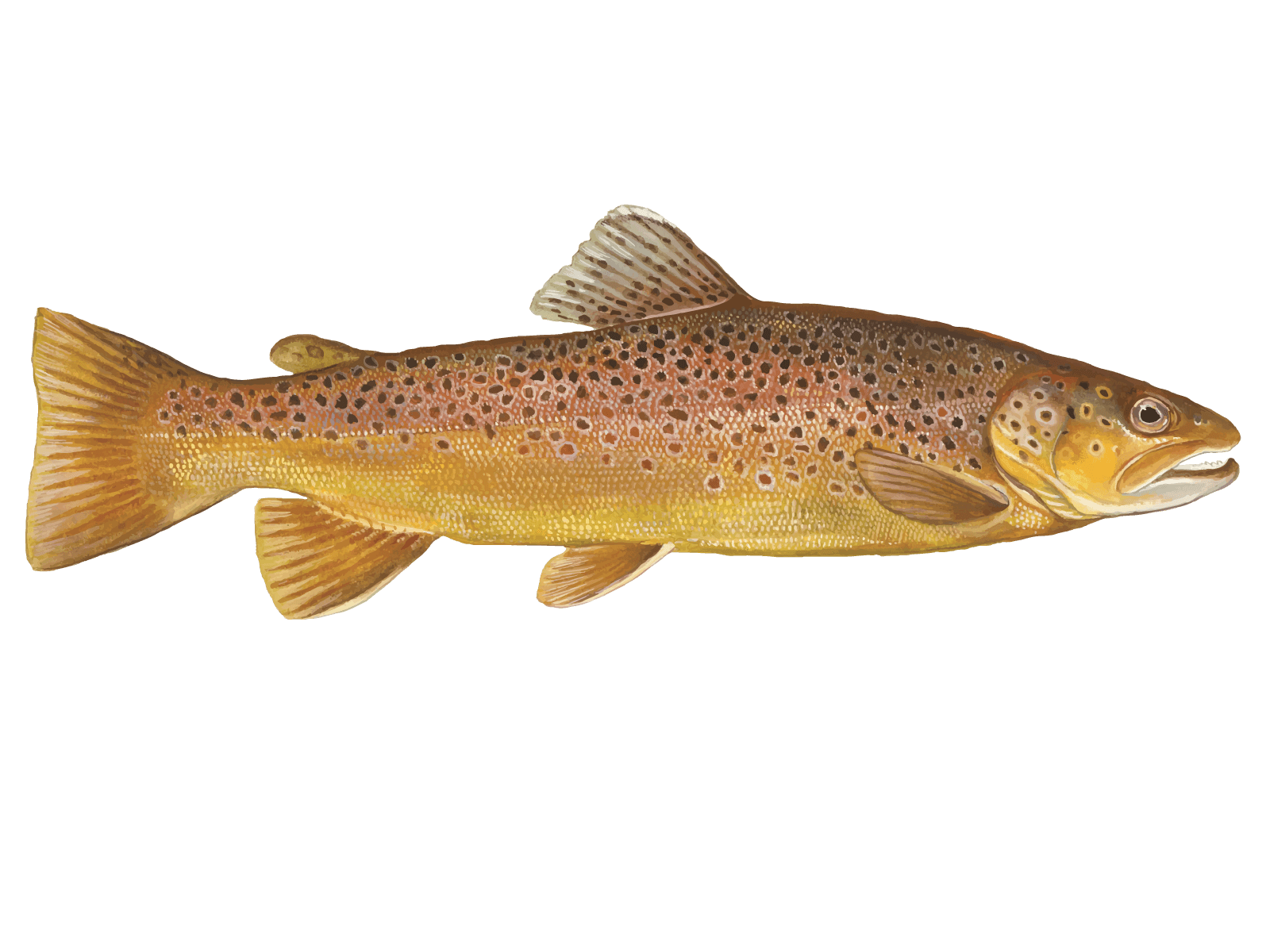
 Brown Trout
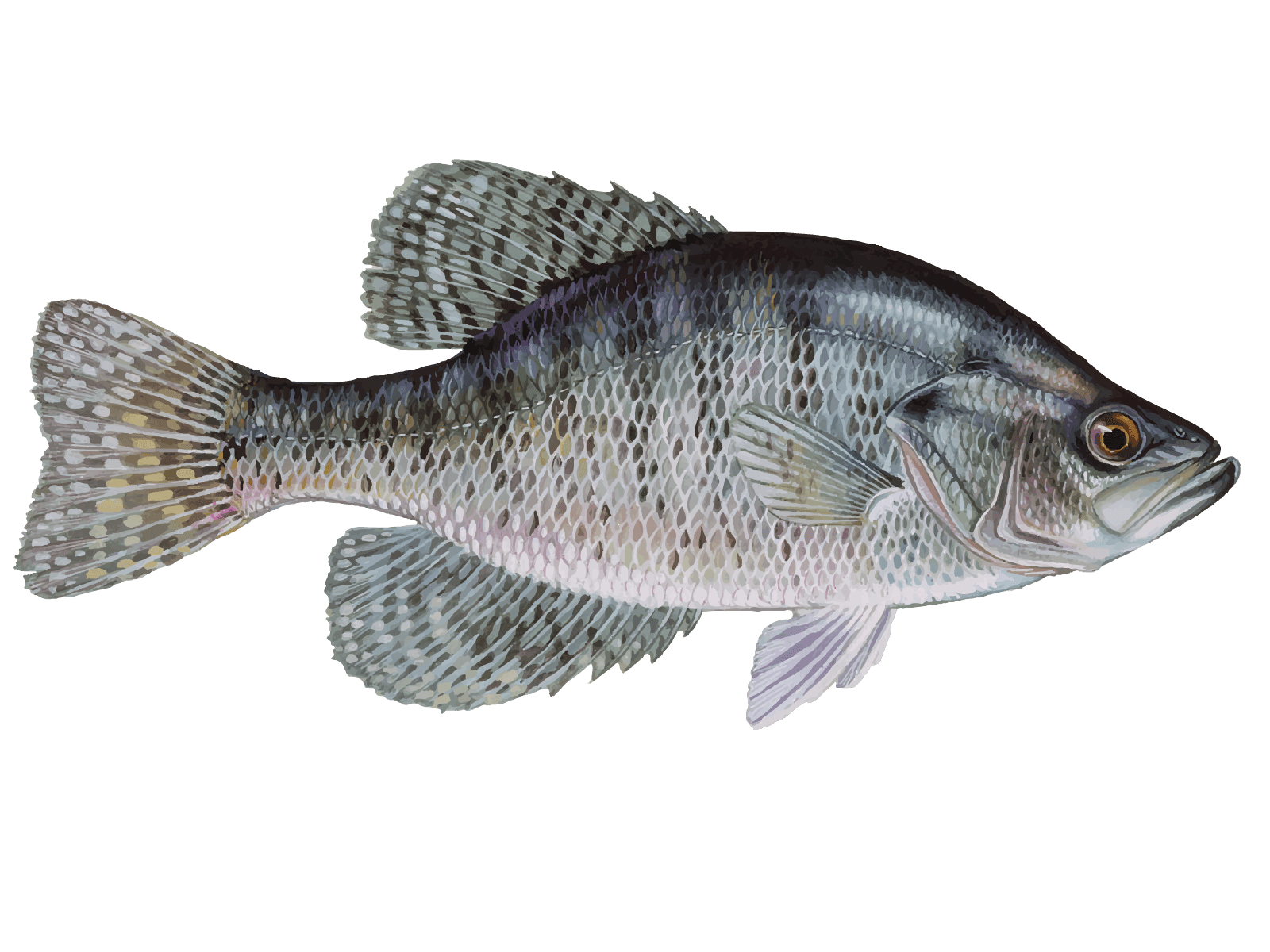
 Crappie
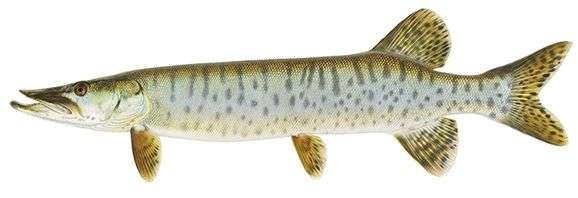
 Muskellunge
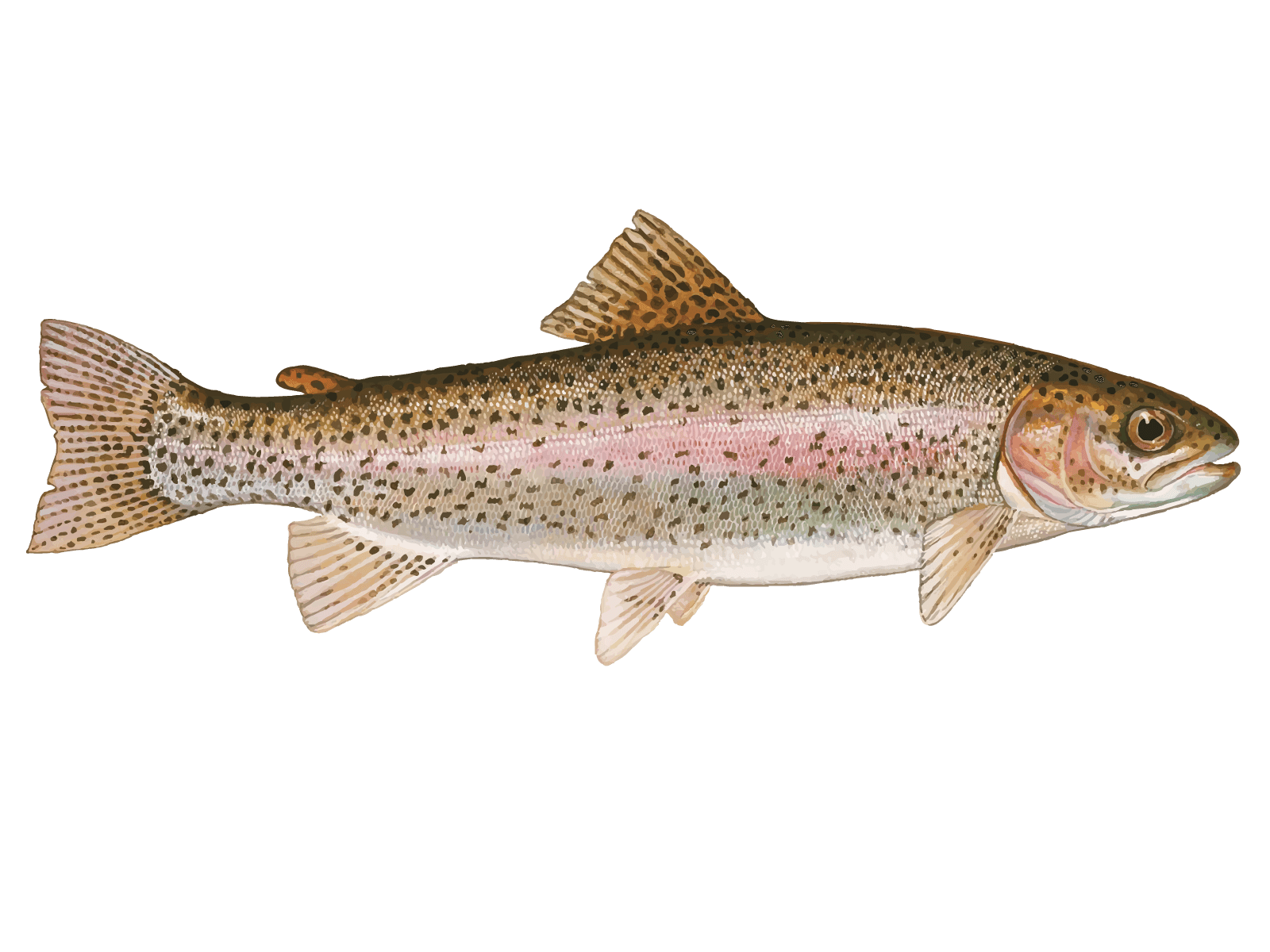
 Rainbow Trout
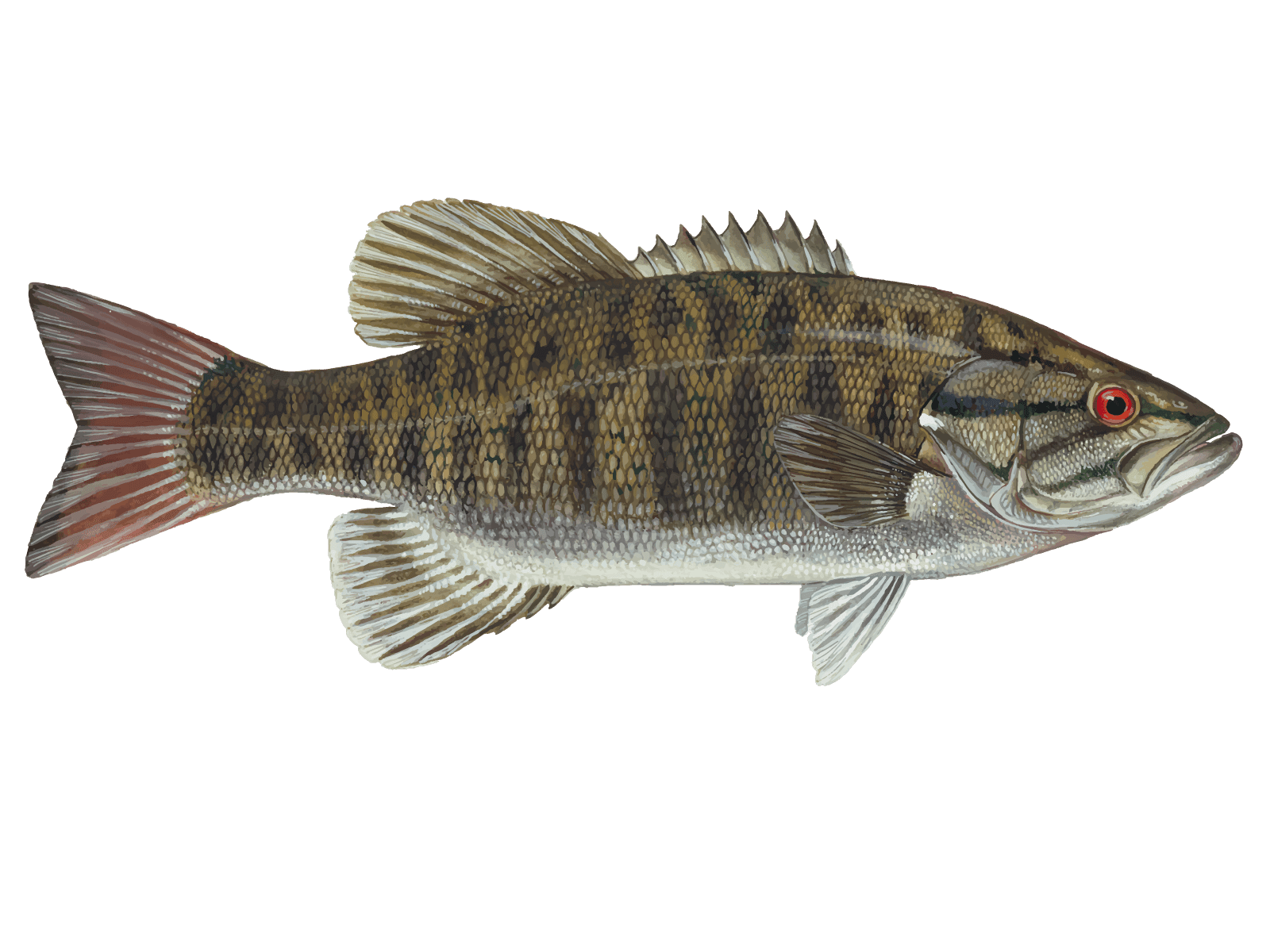
 Smallmouth Bass
- Five-hour guided kayak fishing adventure through pristine Adirondack waters
- Target trout, bass, pike, and seasonal freshwater species throughout the trip
- Small group instruction provided for all experience and skill levels
Trip Pricing and Availabilities:
Paddle, Fish, and Explore the Adirondacks Together
If you're looking to combine the peaceful rhythm of kayak fishing with the chance to meet fellow anglers, this shared 5-hour adventure hits the sweet spot. Ram's Adirondack Adventures takes you beyond the crowded shorelines and boat launches into some of the region's most productive waters, where your paddle becomes your ticket to fish-holding structure that most anglers never reach. Whether you're a seasoned angler wanting to try kayak fishing or someone who's comfortable on the water but new to these particular lakes, this top-rated group experience gives you access to local knowledge that takes years to develop on your own.
What to Expect on the Water
Your guide knows these Adirondack waters like the back of their hand – where the drop-offs hide feeding fish, which weed beds hold the most promise depending on the season, and how to read the water for signs of active fish. You'll start with a quick paddle briefing and gear check before heading out as a small group, with your guide leading you to productive spots while sharing the kind of insider tips that make the difference between a good day and a great day. The beauty of kayak fishing here is the mobility – when one spot slows down, you're already moving toward the next honey hole. Your guide provides paddling assistance whenever you need it, so you can focus on reading your electronics, watching your rod tips, and enjoying the stunning Adirondack scenery between bites. The relaxed pace means there's plenty of time to chat with other anglers, share techniques, and celebrate each other's catches.
Techniques and Gear Setup
Kayak fishing in these Adirondack lakes opens up techniques that just aren't possible from shore or larger boats. You'll learn to work structure quietly, getting right on top of submerged rocks and fallen timber where big fish like to ambush prey. Depending on what's working that day, your guide might have you trolling small spoons along contour lines, jigging vertical presentations over deep structure, or casting into shallow feeding areas. The stable fishing kayaks let you stand and sight-fish when conditions are right, or stay seated and comfortable during longer drifts. Your guide provides all the fishing gear, but they'll also show you how different rod lengths and reel setups work better in a kayak versus traditional boat fishing. The electronics on each kayak help you understand what's below, and your guide will teach you to read the screen for fish marks, baitfish schools, and the bottom composition that holds your target species.
Species You'll Want to Hook
Crappie in these waters are absolute slabs when you find them, often schooling in 12-20 feet of water around standing timber and brush piles. Spring and fall are prime times when they move shallow to feed aggressively, but your guide knows the deeper haunts where they hold during summer. What makes Adirondack crappie special is their size – these fish have long growing seasons and plenty of forage, so a 12-14 inch crappie isn't unusual. They fight harder in the cold water, and there's nothing quite like feeling that distinctive crappie thump on a light jig rod.
Smallmouth bass are the scrappy fighters that make every cast exciting in these rocky, clear lakes. They love the boulder fields and rocky points that are signature features of Adirondack waters, especially in 8-15 feet where they can ambush crayfish and small baitfish. Peak action happens from late spring through early fall, with topwater fishing during low-light periods being absolutely explosive. These bronzebacks jump, run, and fight with an intensity that makes them pound-for-pound favorites among experienced anglers. The clear water means you often see them following your lure, adding a visual element that keeps your heart pumping.
Rainbow trout cruise these lakes like silver bullets, often suspended in open water chasing baitfish schools or holding near cold-water springs and inlets. They're most active during cooler months and early morning periods when the water temperature is in their comfort zone. What gets anglers excited about Adirondack rainbows is their acrobatic fighting style – they'll jump repeatedly and make screaming runs that test your drag system. Trolling small spoons or casting streamers near drop-offs produces consistent action, and the reward is fish with brilliant coloration and firm, cold-water muscle.
Brown trout are the thinking angler's fish, often larger and more cautious than their rainbow cousins. They prefer structure like fallen logs, undercut banks, and deeper holes where they can ambush prey while staying hidden. Fall is prime time when browns move shallow to feed heavily before winter, but your guide knows the year-round spots where these fish hold. Landing a quality brown trout requires patience and skill – they're notorious for long, bulldogging runs and have a habit of wrapping your line around the nearest obstruction. The payoff is a fish that's both beautiful and challenging to catch consistently.
Muskellunge are the apex predators that every angler dreams about, even though they're notorious for being the "fish of 10,000 casts." These waters hold some impressive muskies that patrol weed edges, rocky points, and areas with good baitfish populations. They're most active during fall when water temperatures drop and their feeding instincts kick into high gear. What makes muskie fishing so addictive is the explosive strike – these fish attack lures with violence that can catch you completely off guard. Even follows without strikes get your adrenaline pumping, and when you do connect, you're in for a fight that combines power, size, and aerial displays that create lifetime memories.
Time to Book Your Spot
This world-class kayak fishing experience gives you everything you need for a successful day on Adirondack waters – expert guiding, quality gear, and access to productive fishing spots that deliver consistent action. You'll come away with new techniques, local knowledge, and probably some great fishing stories to share.
Learn more about the species
Brown Trout
Brown trout are the smartest fish in our waters, typically running 12-18 inches with golden-brown sides covered in black and red spots. They're homebodies that love structure - fallen logs, undercut banks, and deeper pools where they can ambush prey. Fall is prime time when they feed aggressively before winter, but they bite year-round if you know where to look. These fish are legends among anglers because they're incredibly wary and fight like demons once hooked. They're also excellent eating with firm, flavorful meat. What makes them special is their intelligence - they'll study your lure and often require perfect presentation. Many are stocked but some reproduce naturally in our coldwater streams. Here's the key: browns often feed at night or in low light, so don't overlook those evening hours when other anglers have given up.
Crappie
Black crappie run 7-12 inches and typically weigh half to one pound, though they travel in schools so you can often catch several once you find them. These fish love shallow areas with cover - fallen trees, brush piles, and vegetation where they ambush small minnows and insects. Spring is prime time when they move into the shallows to spawn, but early morning and late evening produce the best action year-round since they're less active during bright daylight. Guests enjoy crappie for their delicate, flaky white meat that's perfect for a fish fry. They don't fight as hard as bass, but their schooling behavior means steady action. Around here, I like to drift small jigs or live minnows near submerged timber - crappie have soft mouths, so keep steady pressure but don't horse them in or you'll lose fish.
Muskellunge
Muskellunge are the ultimate predator in our bigger lakes - true giants that can reach 3-4 feet and weigh 15-30 pounds or more. These apex hunters lurk around weed edges, rocky points, and drop-offs where they ambush anything that moves, from fish to small ducks. Fall is peak season when they feed heavily before winter, though summer can be productive in deeper water. Muskie fishing is called "the fish of ten thousand casts" for good reason - they're moody and selective. But when one hits, it's pure adrenaline with explosive strikes and aerial battles. Most anglers practice catch-and-release since they're slow-growing trophy fish. Bring heavy tackle and barbless hooks since their mouths are full of razor-sharp teeth. Local secret: figure-eight your lure at boatside after every retrieve - muskies often follow and strike right at the kayak.
Rainbow Trout
Rainbow trout in our waters typically run 10-16 inches with that classic pink stripe along their silver sides. They prefer cold, clean water with good oxygen - usually the deeper parts of lakes or areas near inflows during summer. Spring and fall fishing is outstanding when they're more active in shallower water, especially around dawn and dusk. These fish are prized for their acrobatic fights and excellent eating quality - firm, pink flesh that's hard to beat on the dinner table. They're also great indicators of water quality since they only thrive in pristine conditions. The challenge is reading the water and presentation since they can be selective feeders. Local trick: in our deeper lakes, try trolling small spoons or spinners along the thermocline during summer - that's where they cruise for food in the cooler water.
Smallmouth Bass
Smallmouth bass average 12-16 inches in Adirondack waters and put up one heck of a fight for their size. These bronze-backed fighters love rocky bottoms, boulder fields, and clear water around 15-25 feet deep. Spring and fall are your best shots when they're active in shallower water, though summer means going deeper where the water stays cool. What makes smallmouth special is their attitude - they'll jump, run, and give you everything they've got on light tackle. The meat is firm and tasty too, with a clean flavor that beats largemouth. They're scrappy enough that even smaller fish feel like trophies. Pro tip from years on these lakes: cast small jigs or tubes right along rock transitions where shallow meets deep - that's where they ambush crayfish and minnows.
About the Wenonah Canoe
%2F%2Fusers%2F5acb1856-2541-4358-b0d9-a5c150b998fd%2Fvehicle_picture%2F6d5a01bf-1580-4105-8f31-c1829a430161-mskmaaw4.png&w=1920&q=75)
Vehicle Guest Capacity: 6